What Is Brexit and Why Does It Matter

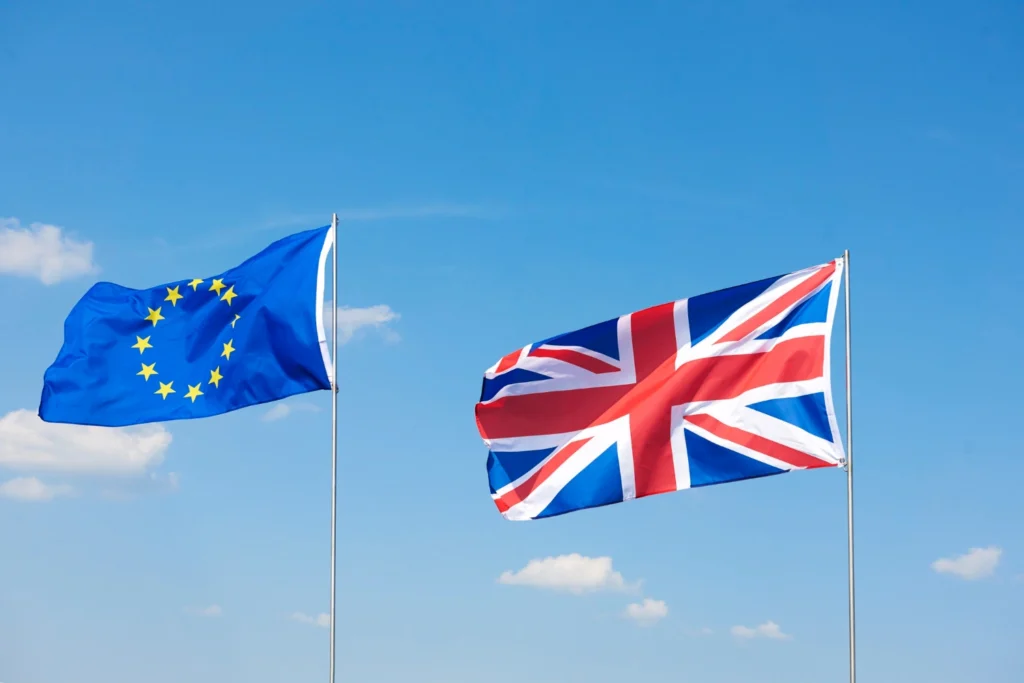
Brexit is the term used to describe the United Kingdom’s departure from the European Union. It reshaped the political and economic relationship between Britain and Europe in ways that continue to affect everyday life across the country.

Understanding Brexit helps you make sense of current UK policy, trade rules, travel rights, and much of the political debate that has defined the past decade.
The Core Meaning of Brexit

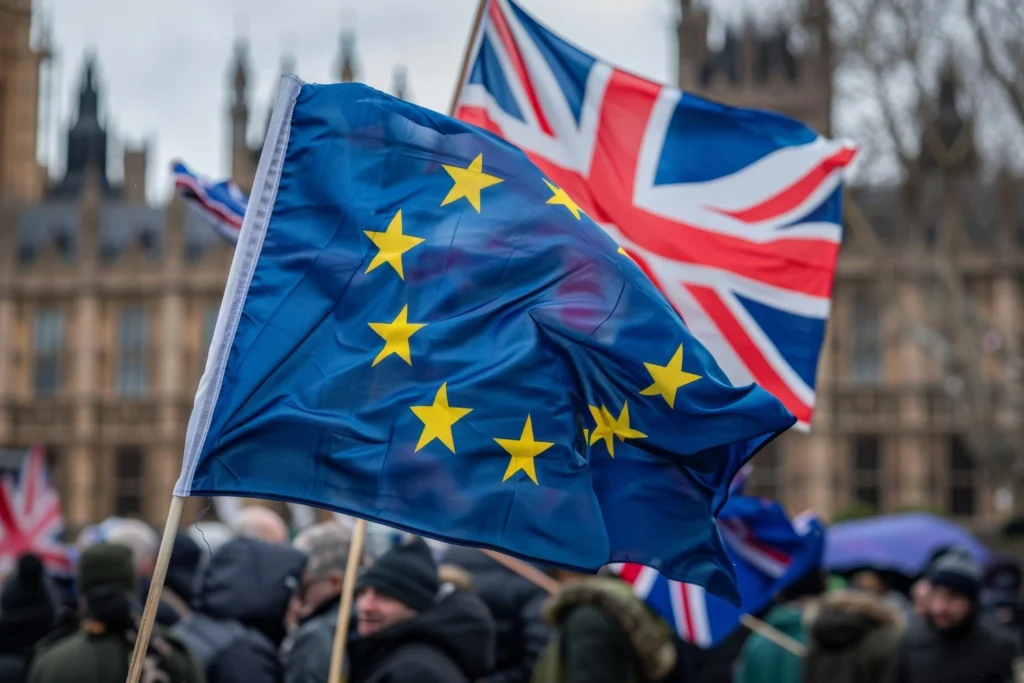
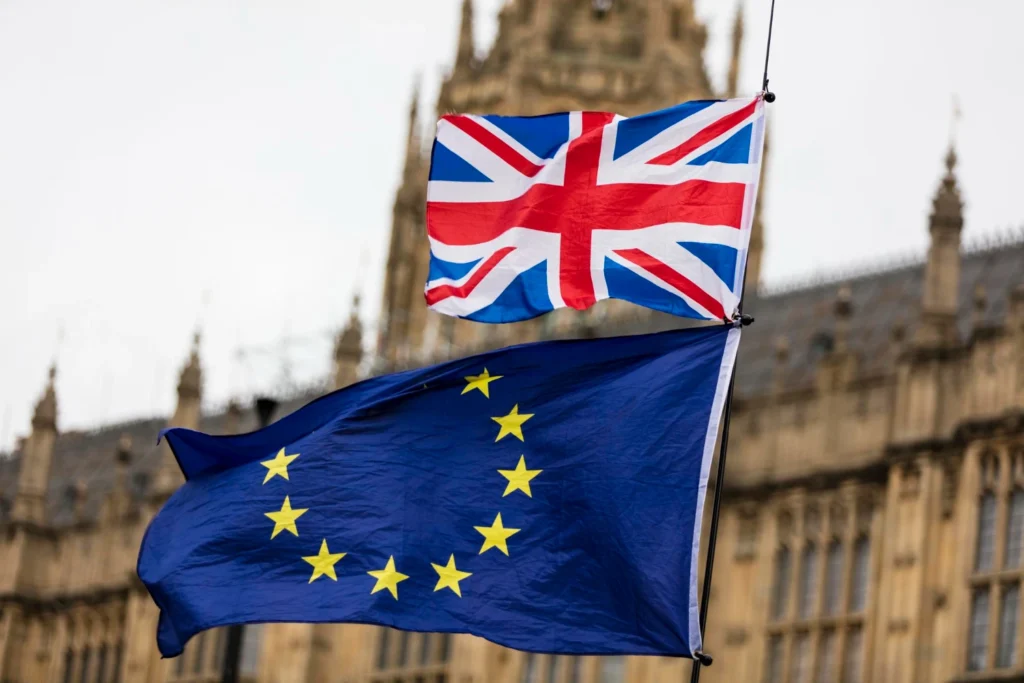
Brexit is a blend of “British” and “exit,” coined to describe the UK’s withdrawal from the EU. After 47 years of membership, the UK formally left the European Union on 31 January 2020.

What the EU Was to the UK

The European Union is a political and economic union of member states. As a member, the UK operated within a single market, allowing the free movement of goods, services, capital, and people across EU borders.

Why the UK Voted to Leave

In June 2016, the UK held a referendum on EU membership. A majority of 51.9% voted to leave, citing concerns over sovereignty, immigration control, and the ability to set independent trade policy.

What Changed After Brexit

Once the UK left, new rules came into force governing trade with the EU, residency rights for EU citizens in the UK, and the UK’s role in international agreements. These changes touched virtually every sector of the British economy.

The road from referendum to exit took over three years and produced significant political turbulence. Parliament debated and rejected multiple withdrawal agreements before a final deal was reached under Prime Minister Boris Johnson in late 2019.

The UK entered a transition period through December 2020, during which it continued to follow EU rules while new arrangements were negotiated. The Trade and Cooperation Agreement, signed on 24 December 2020, established the terms of the ongoing UK-EU relationship.

What Brexit Means for the UK Today

Brexit transferred lawmaking authority back to Westminster and gave the UK the freedom to strike independent trade deals with countries outside the EU. It also ended free movement, meaning EU citizens now require visas to live and work in the UK, and UK citizens face the same requirement in EU countries.

The economic impact continues to be studied and debated. Trade volumes shifted, supply chains adjusted, and sectors such as financial services, agriculture, and manufacturing all experienced significant changes in how they operate across borders.

Who Is Affected by Brexit

Brexit affects nearly every person living in or travelling between the UK and Europe.

UK businesses trading with EU partners now face customs checks, additional paperwork, and different regulatory requirements. UK citizens living in EU countries needed to apply for new residency rights. EU nationals in the UK went through a similar process under the EU Settlement Scheme.

For the wider public, Brexit changed the cost and convenience of travel, the availability of some goods, and the rules governing professional qualifications recognised across borders.

What This Site Covers

This site provides clear, factual information about Brexit: what it is, how it unfolded, and what it continues to mean for people, businesses, and policy.

Whether you are looking for a broad overview or detailed analysis of specific issues, you will find straightforward, reliable content here with no political slant.